A Second Home for Dual-Life Living — Mr. O’s Tomakomai Retreat in Hokkaido / Shinozaki Architectural Office
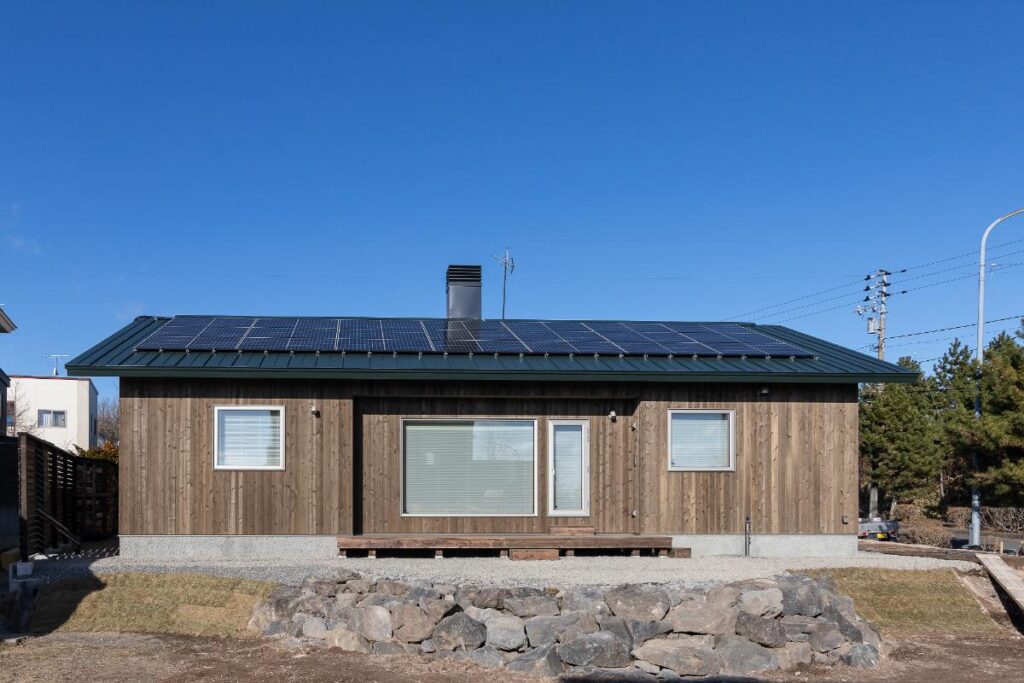
Under the bright blue skies of the Pacific coast, beyond a quiet residential neighborhood on a hilltop, stands Mr. O’s newly completed home. The exterior is clad in Yakushima cedar siding, and the single-story house features a striking triangular roof topped with solar panels. A stone retaining wall built into the slope beneath the wood deck adds even more character to the setting.
Born and raised in Tokyo, Mr. O is now 63 years old. While he continues to maintain his primary residence in the capital, he fulfilled a long-held dream in November 2024 by building a second home in Tomakomai, Hokkaido. The design and construction were handled by Sapporo-based Shinozaki Architectural Office.
After many years working in biotechnology research and education, Mr. O still supports laboratory work at a university medical school. Now, he has begun a new chapter of life—traveling back and forth between Tokyo and his Hokkaido retreat.
Discover Tomakomai — The City Mr. O Chose for His Second Home
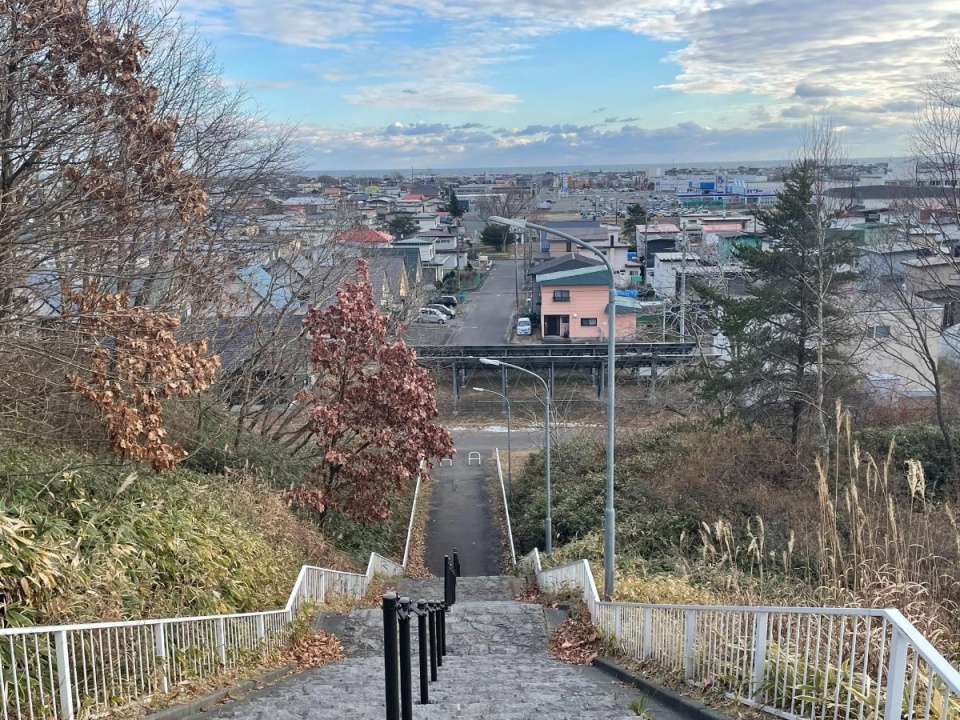
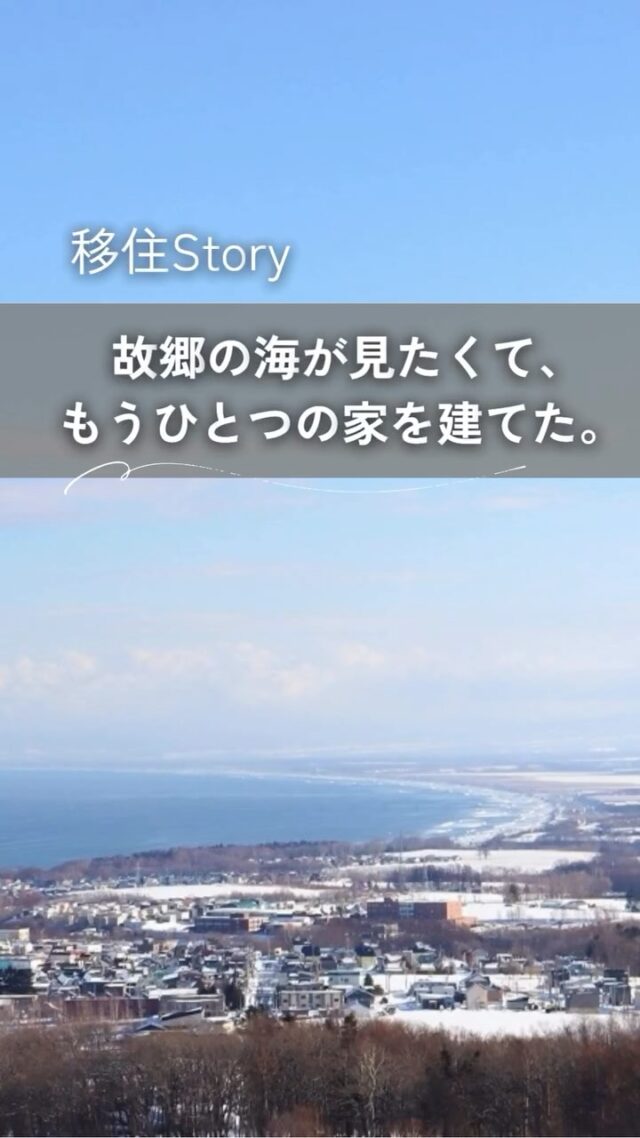
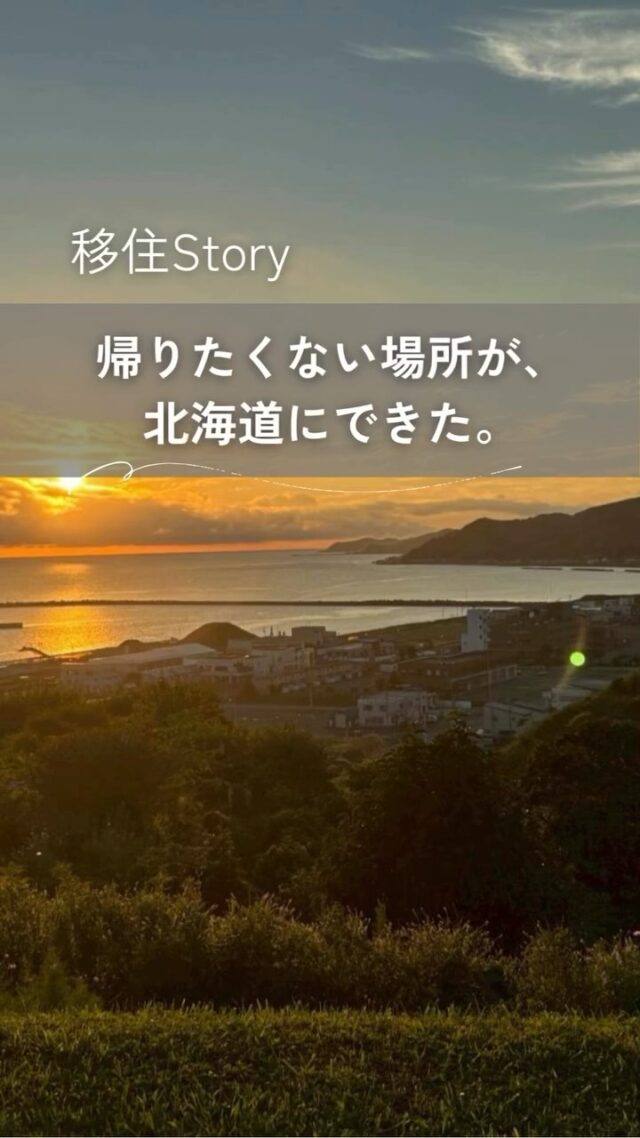
Perched on a hill overlooking both the ocean and the city, Tomakomai is one of Hokkaido’s major port cities facing the Pacific Ocean. It is known both as an industrial center, home to factories such as Oji Paper, and as Japan’s leading producer of surf clams.
The city offers excellent living infrastructure, including hospitals, public facilities, and large shopping centers. With JR rail access and major highways nearby, New Chitose Airport is only 30 minutes away by car, while Sapporo can be reached in about 50 minutes by train.
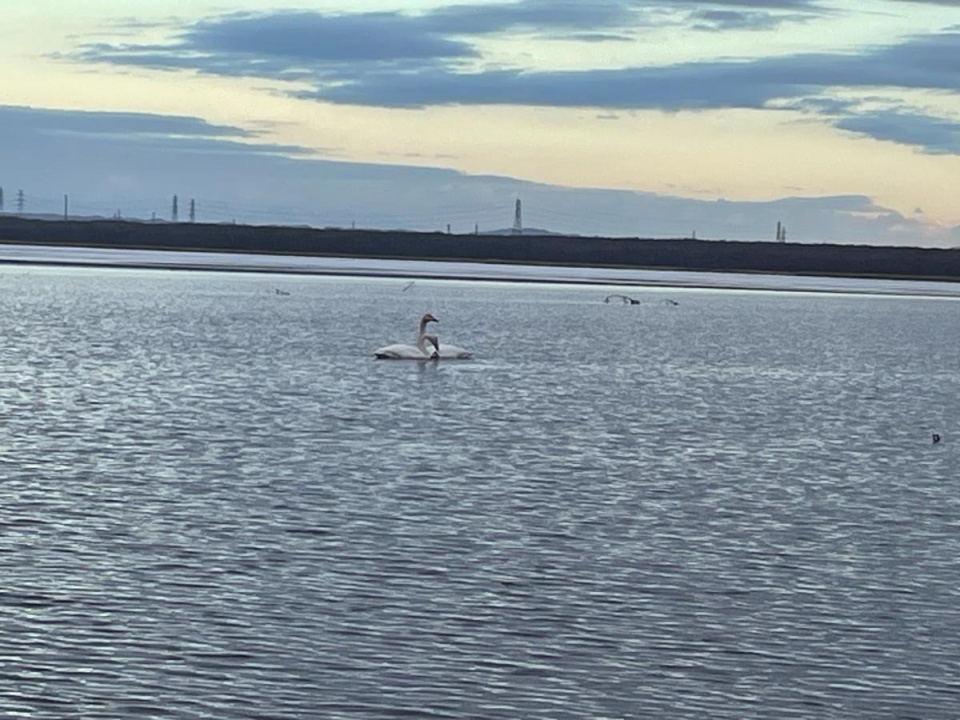
At the same time, nature is always close at hand. Mount Tarumae rises in the distance, while the clear waters of the Bibi River and the migratory swans of Lake Utonai create a rich natural environment. Tomakomai is also popular among newcomers to Hokkaido, with generous relocation support programs and a relatively mild, low-snow climate that makes daily life comfortable.
An Authentic Home Crafted with Richly Textured Natural Materials
Several factors convinced Mr. O to choose Shinozaki Architectural Office:
• Exceptional insulation and airtight performance
• Eco-conscious construction with low environmental impact
• A commitment to natural materials, including wood-fiber insulation
• A proprietary heating and ventilation system that harnesses natural energy (Radiant Circulation System / Patent No. 7287683)
Stepping inside the completed home, Mr. O and company president Mr. Shinozaki shared the story behind the design.
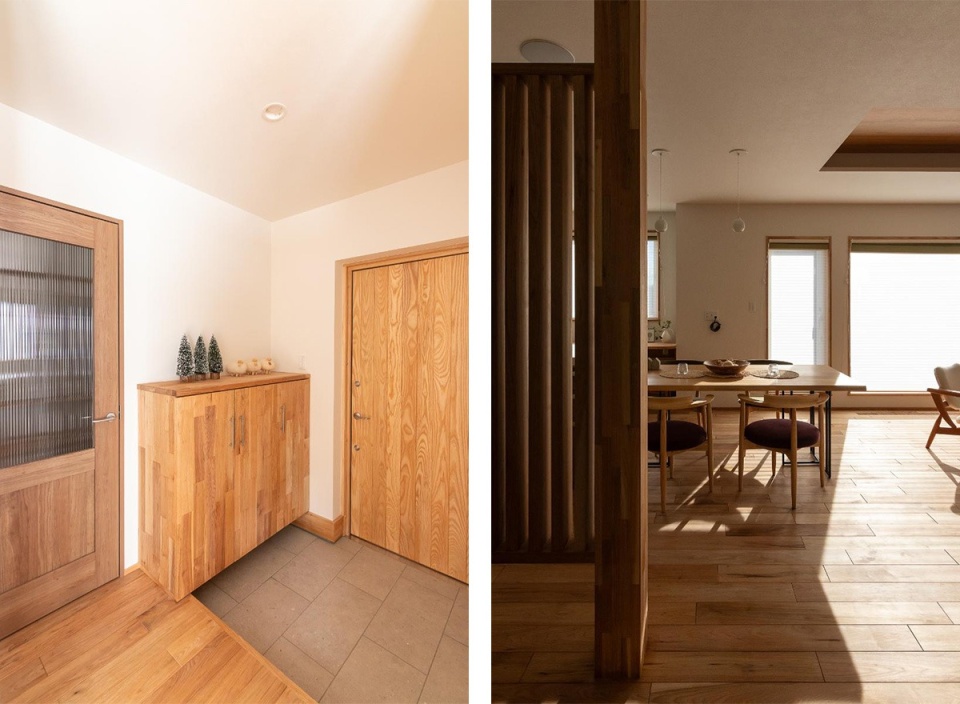
As you step inside, Mr. O’s study is located to the right, while the open living, dining, and kitchen area unfolds to the left.
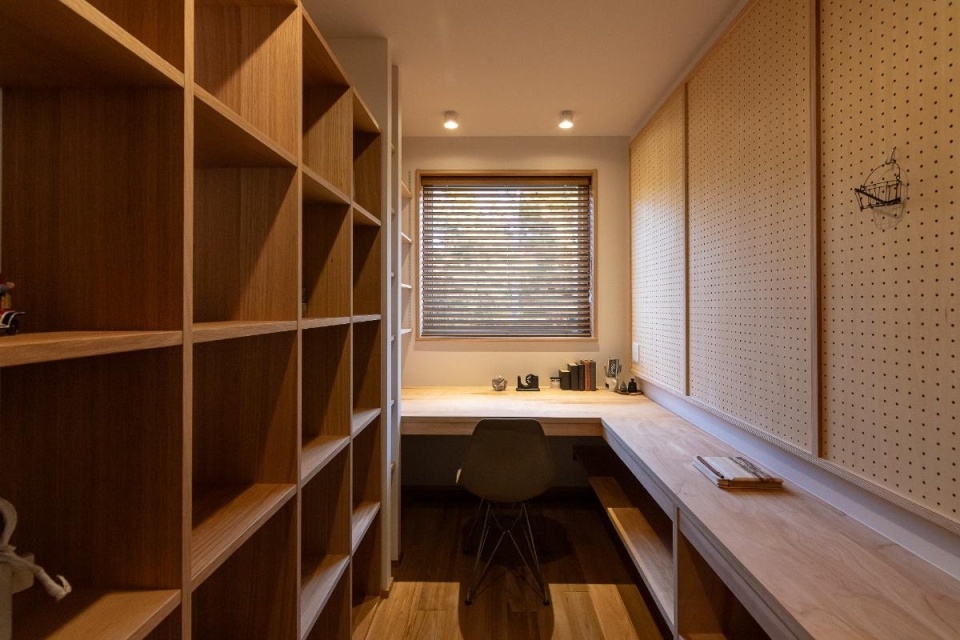
Mr. O’s study features custom-built bookshelves spanning an entire wall, along with thoughtfully designed tables and counters for everyday functionality. Beyond the windows, a grove of mixed trees stretches into the landscape.
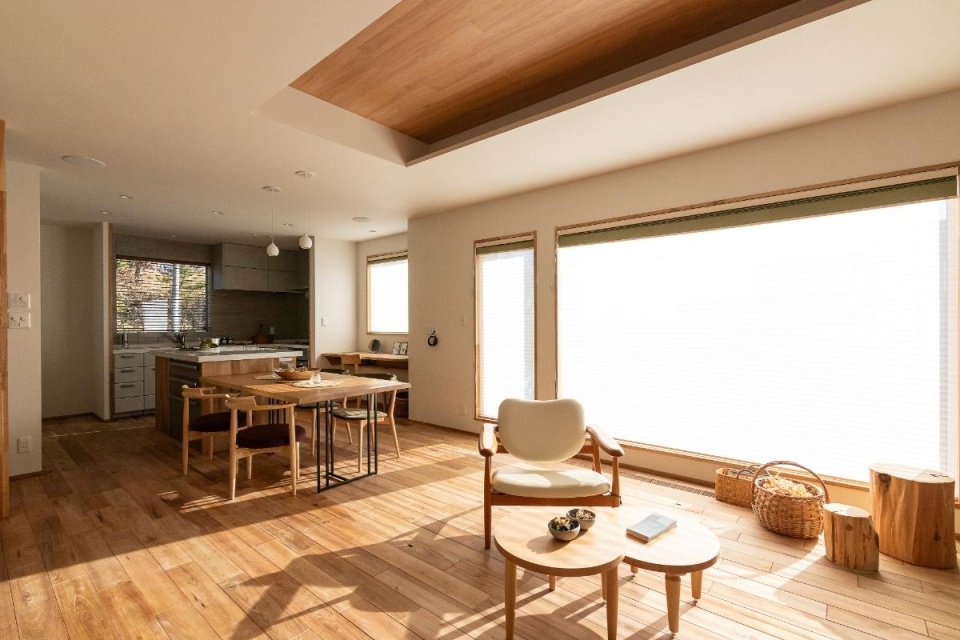
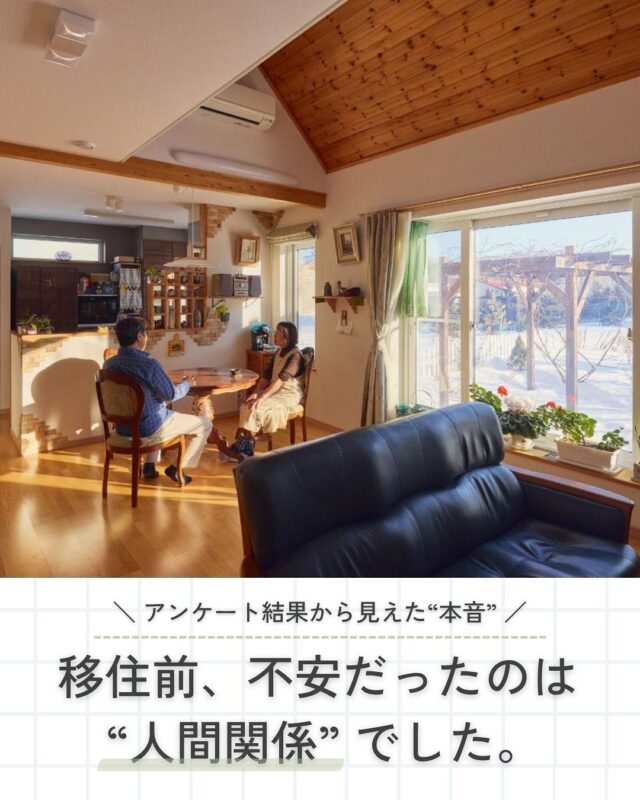
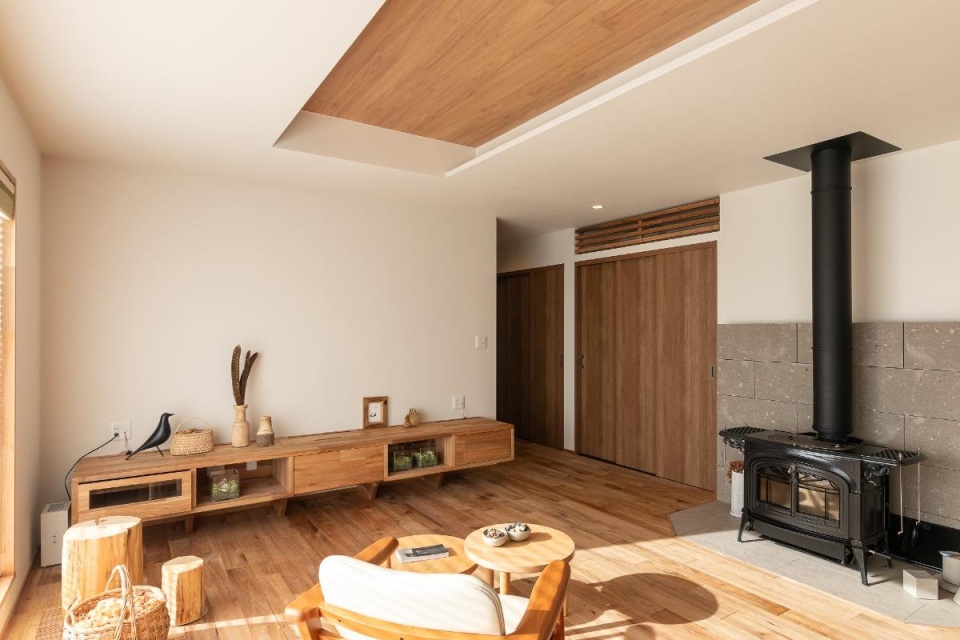
The airy living room features a soaring vaulted ceiling, with abundant sunlight pouring in through expansive windows. The layout is designed to frame views of the garden just beyond the glass.
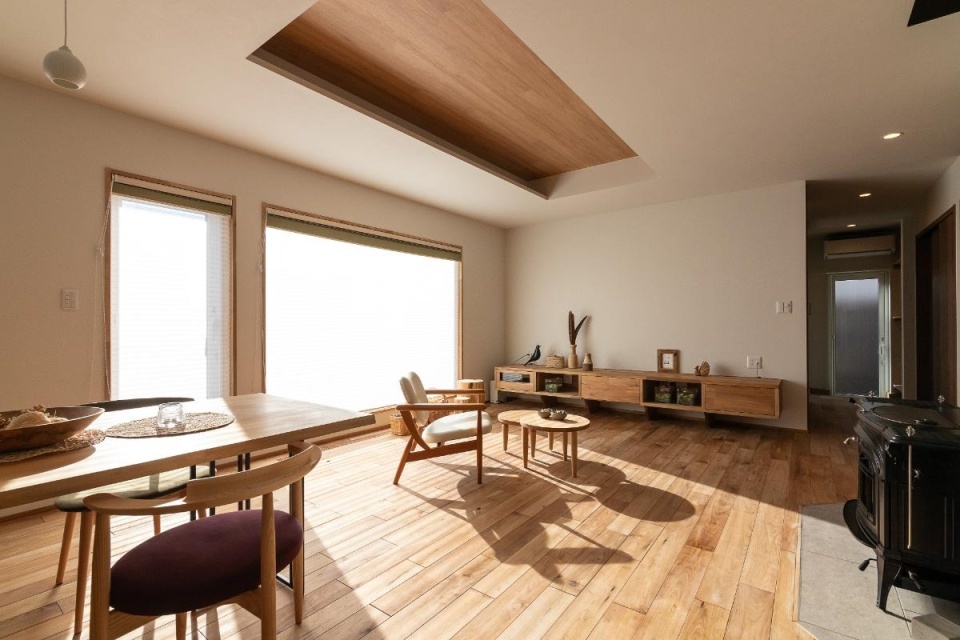
Walnut wood is used throughout, from the flooring to the custom-built TV cabinet.
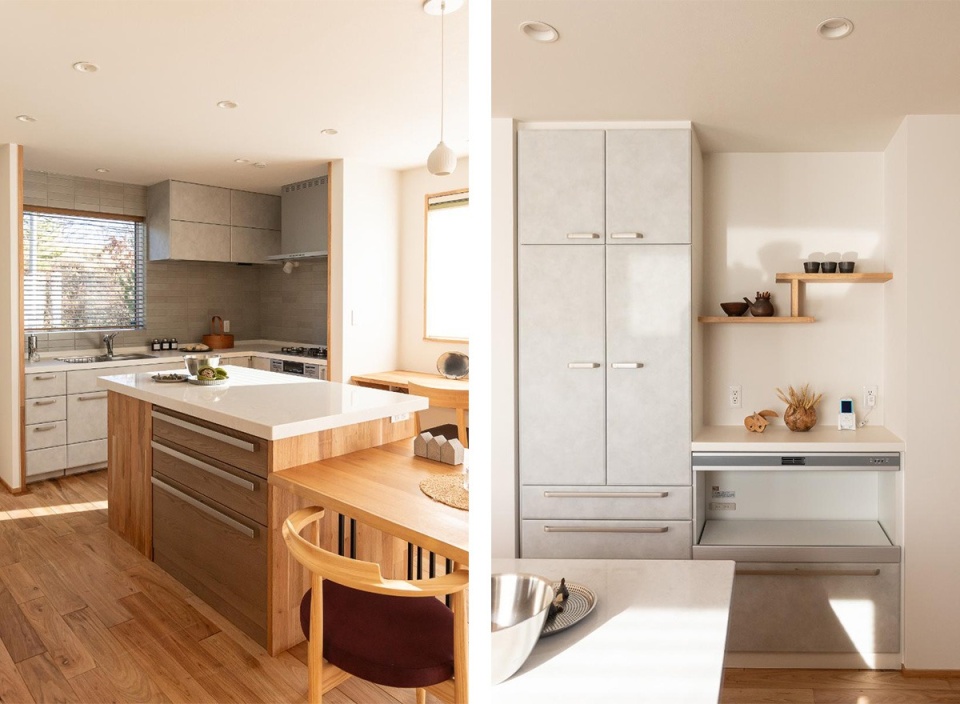
The L-shaped kitchen, positioned beside the entrance, is paired with a custom-made counter topped with engineered stone containing natural quartz crystals. Clever circulation planning and built-in storage make the space highly functional.
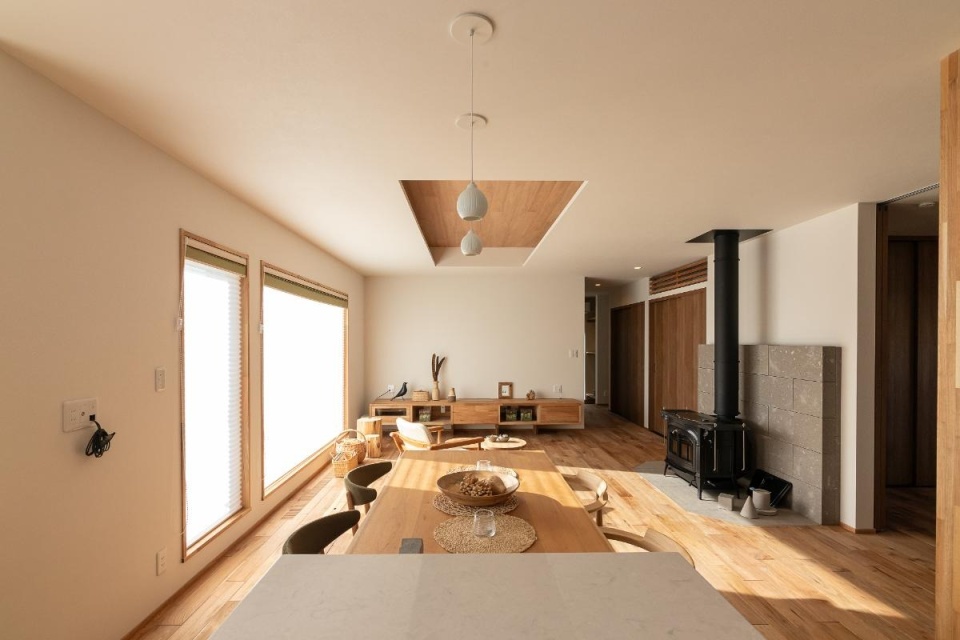
When Mr. O’s wife and daughter visit, cooking together becomes one of the family’s great pleasures, with the dining area naturally turning into the heart of family gatherings.
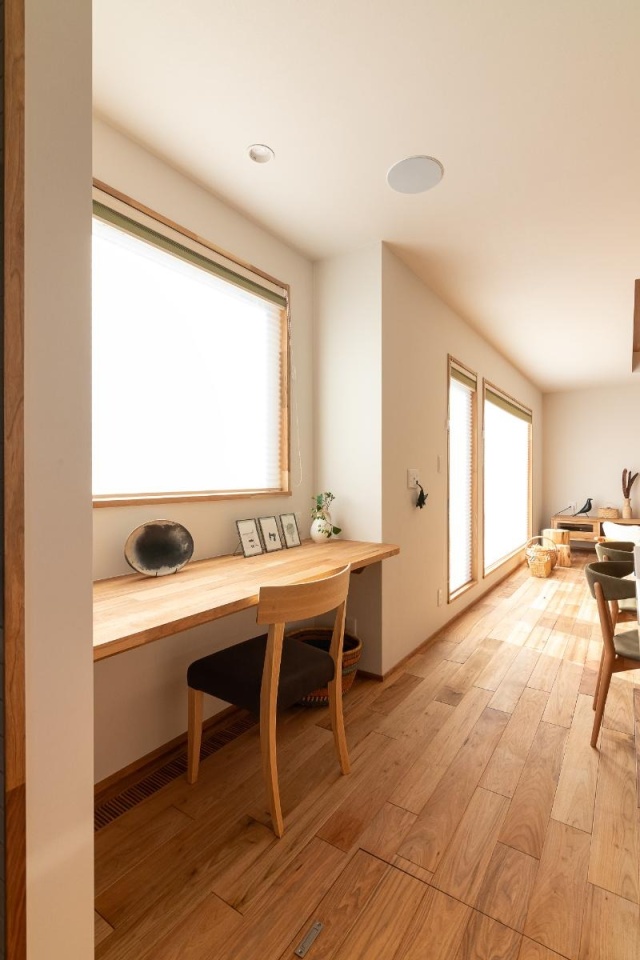
A work counter was placed by the window, creating a convenient spot for writing, reading, or enjoying a relaxing tea break.
Eco-Friendly, Energy-Efficient Living with a Wood Stove — Designed with Earthquake Safety in Mind
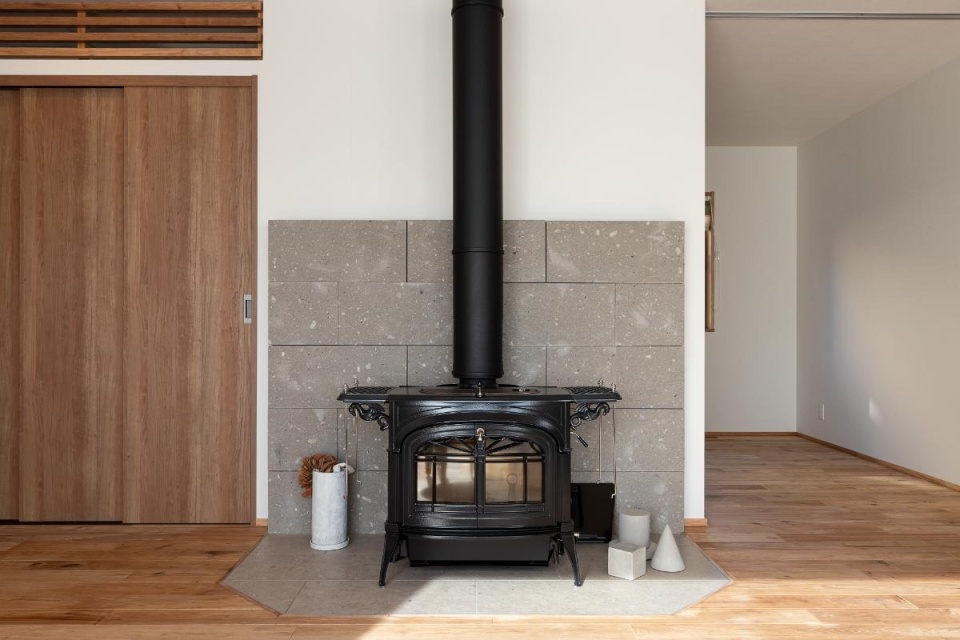
Mr. O also spent considerable time researching ventilation and heating systems. One of the deciding factors was Shinozaki Architectural Office’s patented Radiant Circulation System, which uses natural airflow and radiant heat to create a comfortable indoor environment.
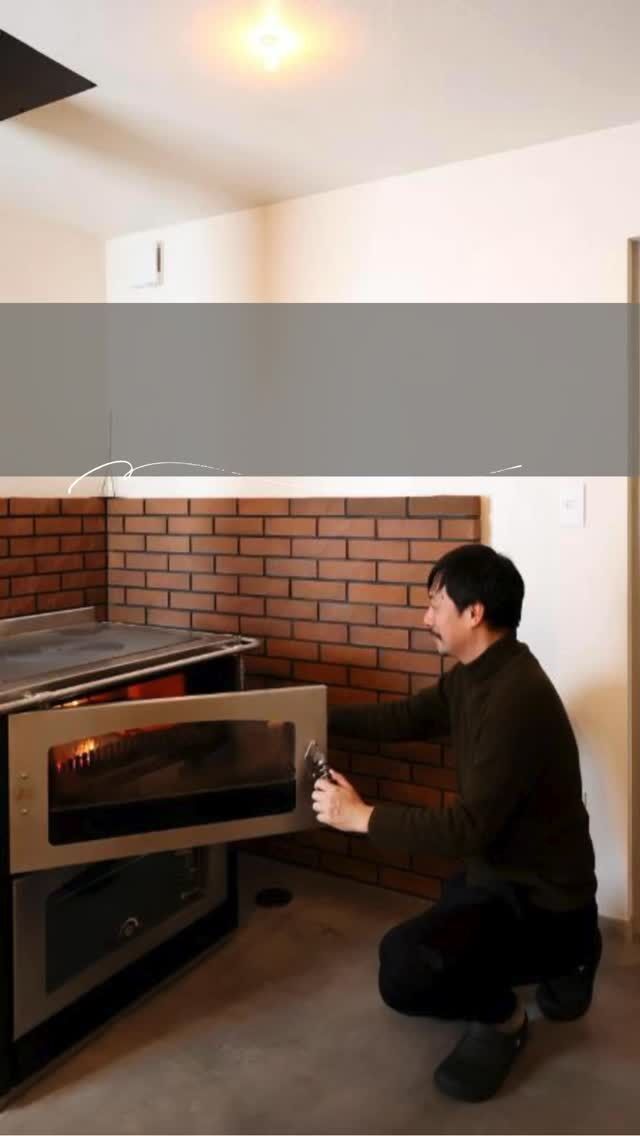
“Even if the structure itself has excellent earthquake resistance, it means little if heavy interior objects fall over,” says Mr. O. “The wood stove weighs nearly 200 kilograms, so I asked Mr. Shinozaki to carefully examine the safest installation method.”
After carefully reexamining the installation method, Mr. Shinozaki concluded that fully fixing the stove in place could actually increase stress during an earthquake because the chimney penetrates the roof. Instead, the design allows the stove’s slender legs to slide slightly during seismic movement, improving safety by absorbing the shaking.
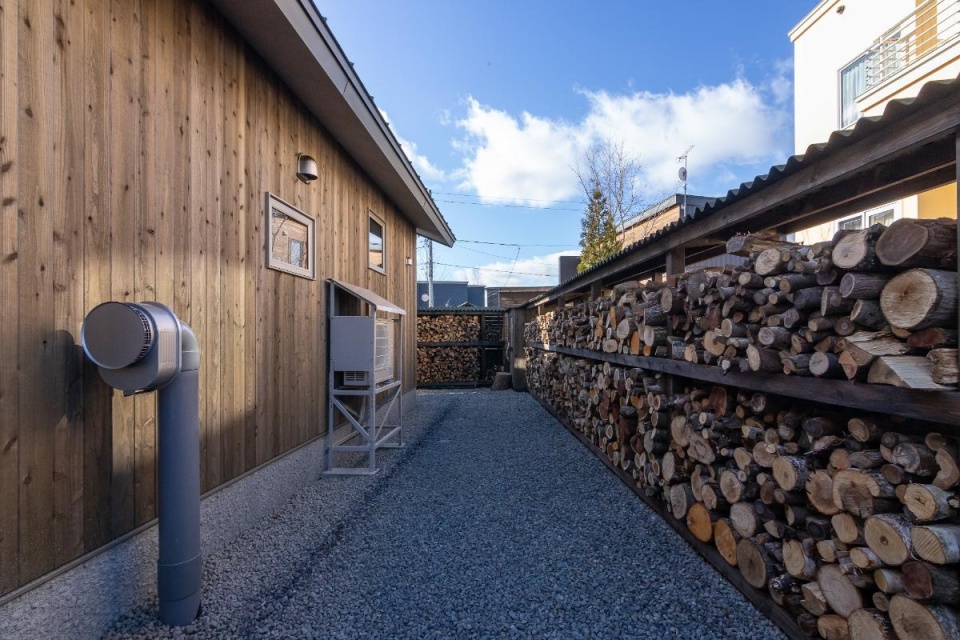
A covered woodshed extends from beside the entrance to the back of the house, fully stocked with firewood for the coming winter. Visible in the lower left of the photo is the ventilation system’s air intake pipe, which draws fresh outdoor air beneath the floor of the home.
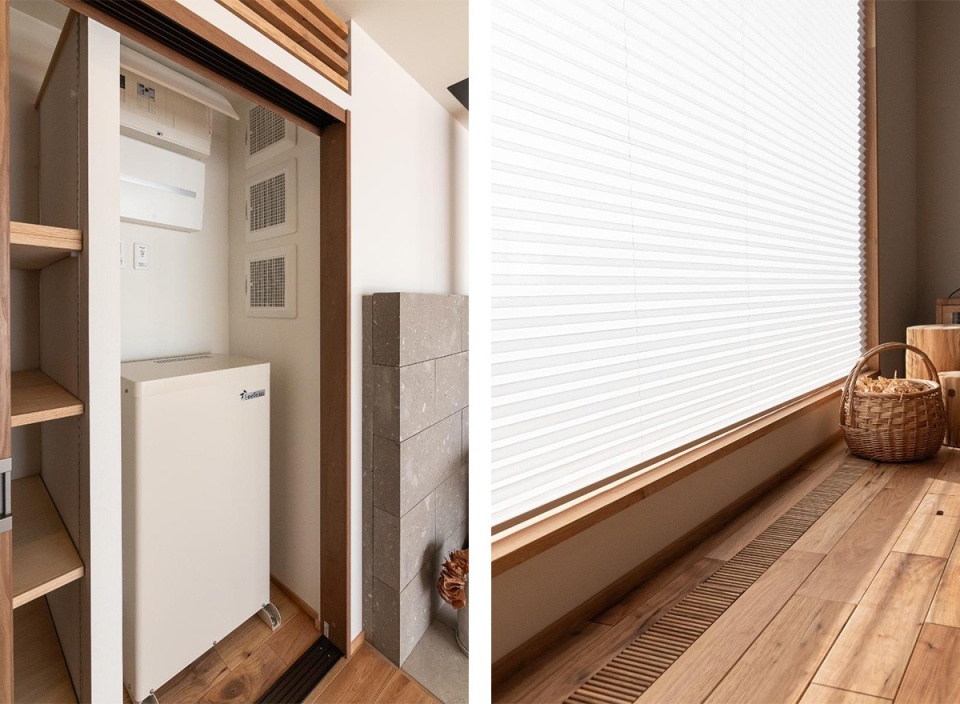
The battery storage unit, housed inside a sliding-door storage closet, is securely fixed to the floor. A motor fan installed on the interior wall draws indoor air through a ventilation grille above the sliding doors, then channels it beneath the floor, where diatomaceous earth has been laid throughout the underfloor space.
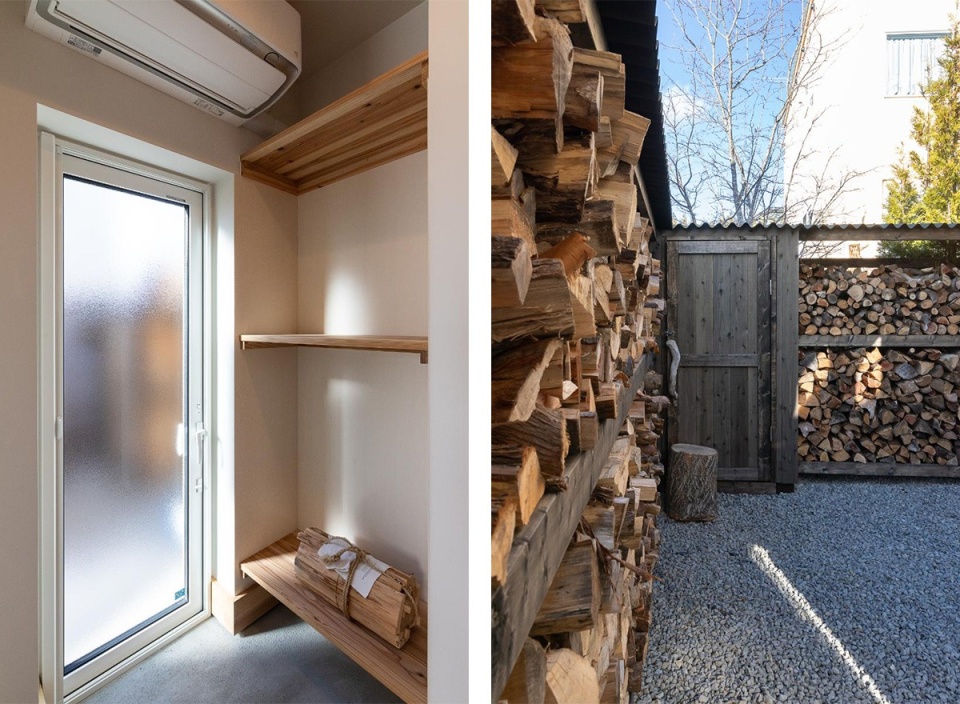
Meanwhile, fresh outdoor air taken in from outside circulates beneath the floor before spreading throughout the house through floor vents installed indoors. A cold-climate air conditioner mounted above the back entrance provides cool air in summer and can also supply warm air as supplemental heating during spring and autumn.
We asked Mr. O
Why did you choose Tomakomai as the base for your dual-life lifestyle?
Mr. O’s love of the outdoors began in childhood through the Boy Scouts, eventually leading to canoe camping in Canada and a lifelong passion for fishing and camping.
“I enjoyed outdoor activities around Tokyo as well,” he says, “but everywhere was crowded and expensive.”
After my daughter entered university in Hokkaido, I began visiting more often throughout the year and came to truly appreciate the vast scale of nature here. As my work began to settle down, I found myself increasingly drawn to the idea of living in Hokkaido while enjoying the outdoors.
I explored many possible locations, traveling south from Kitami and Abashiri and visiting areas across eastern Hokkaido. In the end, I chose Tomakomai because it offers the perfect balance: incredible natural surroundings that make it an ideal outdoor base, while still providing the conveniences of a city. It also has excellent access to New Chitose Airport and Sapporo, and public transportation, including bus routes, is readily available.
How did you come to choose Shinozaki Architectural Office?
At first, Mr. O considered purchasing a pre-owned home. However, he found that many older houses lacked sufficient insulation.
As he researched high-performance housing, he became interested in Scandinavian and German approaches to homebuilding. He realized that if he wanted a home truly suited to northern climates, he should work with a Hokkaido-based builder.

At the same time, he was searching for environmentally responsible building methods and discovered wood-fiber insulation materials. Shinozaki Architectural Office was the only company in Hokkaido using them at the time, which led him to make contact.
How did you feel about the actual process of building the home?
“Building a home is probably the biggest purchase most people make once or twice in their lives,” says Mr. O. “At the beginning, there’s so much you don’t know.”
He adds, “Mr. Shinozaki carefully answered every question throughout every stage of the process. Thanks to that, the completed home feels completely natural to us—every space turned out exactly as we imagined. We’re deeply grateful and extremely satisfied.”
Ready to Begin a Full-Fledged Dual-Life Lifestyle from His New Home

Drawing on the careful eye of a lifelong researcher, Mr. O approached his search for the right homebuilder with remarkable depth and curiosity. The company that ultimately earned his trust was Shinozaki Architectural Office, whose commitment to high-quality craftsmanship and thoughtful homebuilding perfectly matched his ideals.
Mr. O also reflected on the meaning of building a home designed to last: “You naturally grow attached to a home that can be lived in and cared for across generations, which makes it worth the investment. I’d like to continue maintaining this house carefully and treasure it over time. Going forward, I hope to spend half of each month in Tokyo and the other half at my home near Ufuinupuri in Tomakomai, enjoying the outdoors throughout all four seasons.”
Interview conducted in December 2024
Photography: Murakawa Photo Office
Interview & Text: iezoom Editorial Team / Aya Matsushita
Shinozaki Architectural Design Office Co., Ltd.
(シノザキ建築事務所株式会社)
A home where the blessings of nature flow throughout.
Shinozaki Architectural Design Office creates Radiant Circulation Homes — a patented housing technology that achieves innovative heating and cooling efficiency through designs that circulate radiant heat throughout the entire home, combined with top-level performance standards and a commitment to natural materials. The company’s representative and first-class architect, Mr. Shinozaki, also relocated from Tokyo to Hokkaido. Homeowners who have lived in these homes for many years often praise the company for its thoughtful lifestyle-oriented design proposals and master craftsmanship.
【Address】7-12 Hachiken 5-jo Higashi 3-chome, Nishi-ku, Sapporo, Hokkaido, Japan
【Phone】011-643-1698
【Official Website】https://s-machi.com/
For inquiries to Shinozaki Architectural Office., please click here.
Tomakomai City, Hokkaido
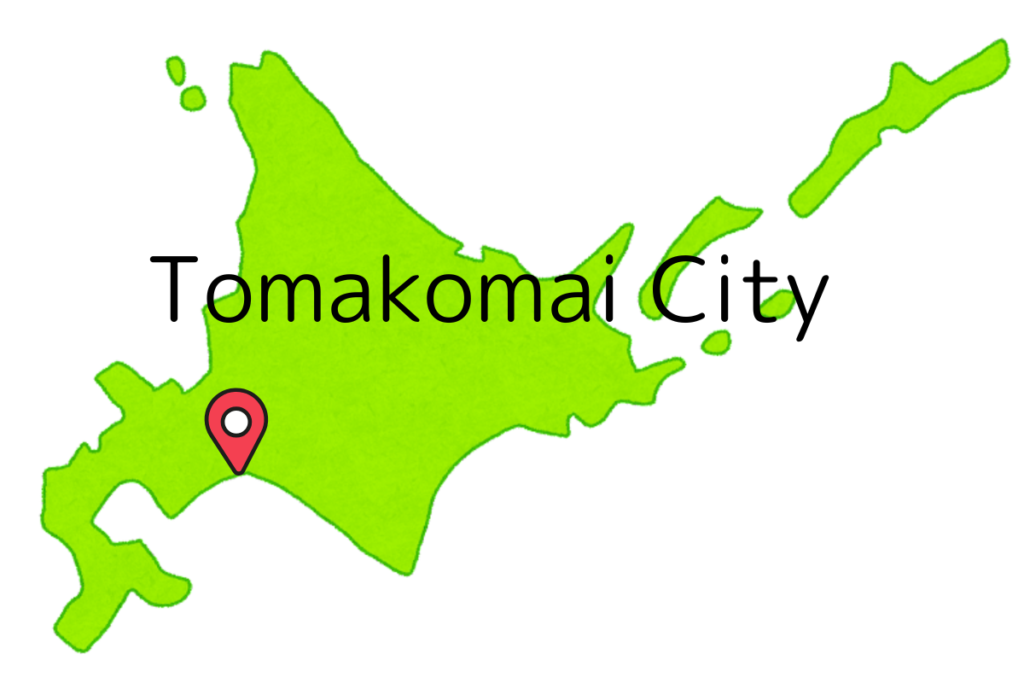
Tomakomai City is known for its convenient access, located about 40 minutes by car from New Chitose Airport and around 50 minutes from Sapporo by JR train. As a major transportation hub with both Tomakomai Port, the gateway by sea, and New Chitose Airport, the gateway by air, the city also enjoys abundant natural surroundings such as Lake Utonai and Mount Tarumae. Summers are cool, and winters bring relatively little snowfall compared to other parts of Hokkaido, making Tomakomai known as a comfortable and livable place to live.