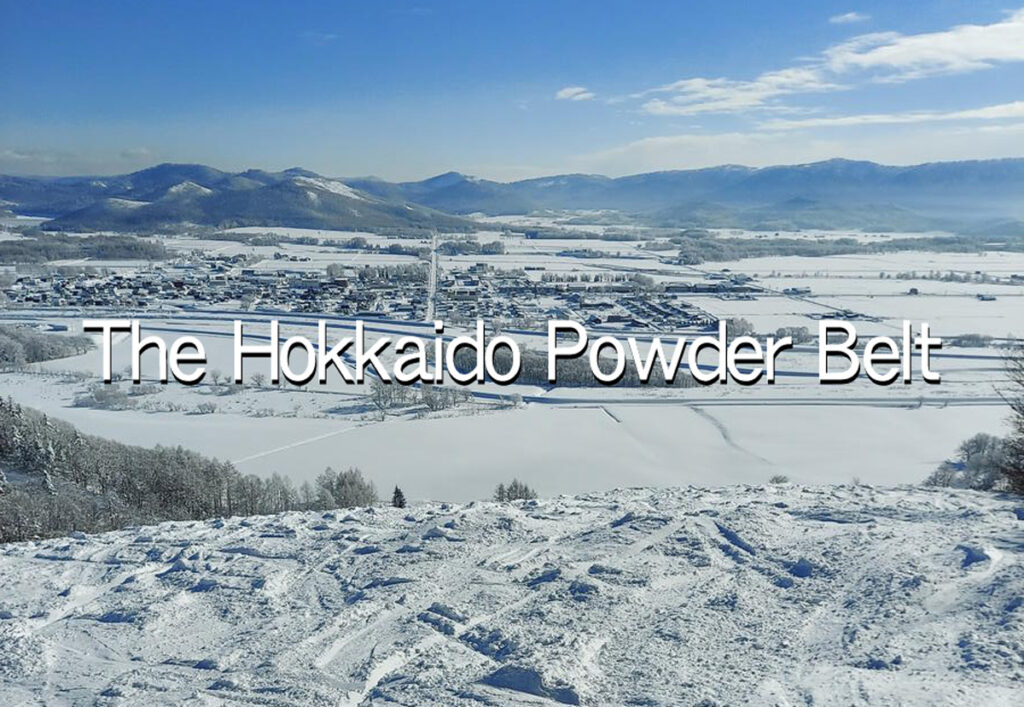
Beyond Niseko: Discover the Hokkaido Powder Belt
Light snow, empty slopes, and the quiet charm of local ski hills
Meta Description: Discover Japan’s hidden powder region — the Hokkaido Powder Belt. From Kamui and Canmore to Horotachi, experience lighter snow, fewer crowds, and the pure joy of local skiing.
A Different Kind of Hokkaido Powder
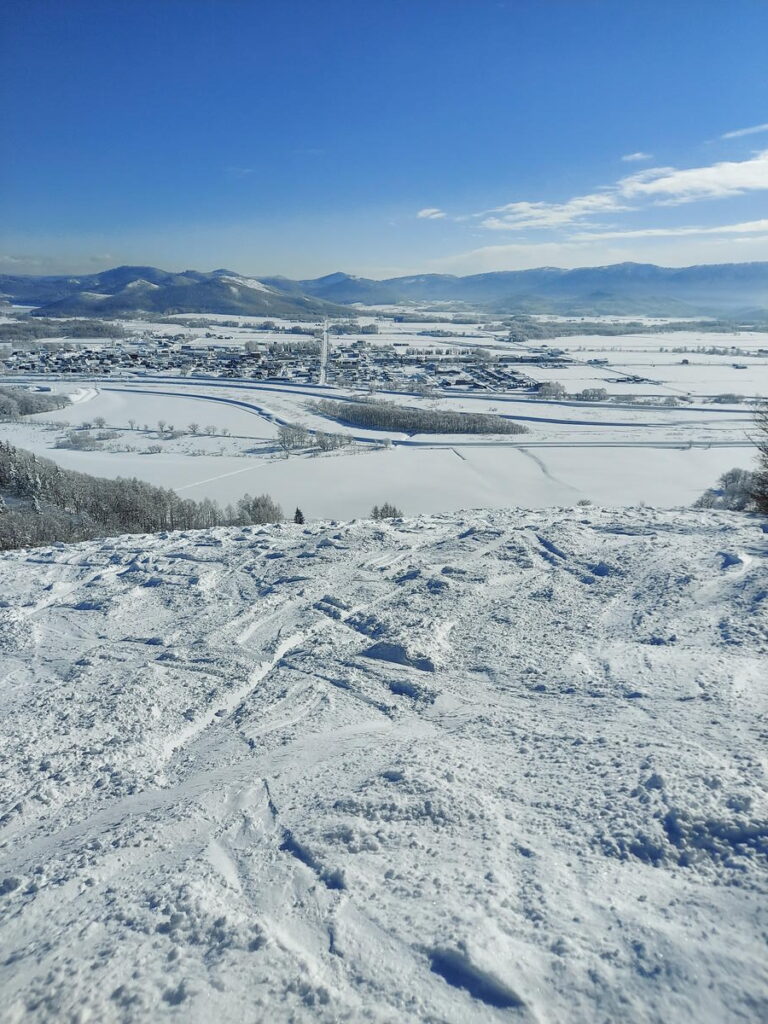
Everyone knows Niseko — the international resort packed with skiers, restaurants, and luxury chalets. But central Hokkaido hides another snow paradise: the Hokkaido Powder Belt, stretching from Tomamu and Furano to Kamui and Mt. Kurodake. Here, the snow is lighter, the slopes quieter, and the prices far gentler. For those who seek authentic Japanese winter culture — not just a resort holiday — the Powder Belt is the real thing.
What Is the Hokkaido Powder Belt?
It’s the mountain corridor running through central Hokkaido, connecting inland ski areas known for ultra-dry, feather-light snow. Because these mountains sit far from the sea, the air is colder and drier — creating what locals call “aspirin snow,” so fine and weightless it feels like floating through air.
Kamui Ski Links – The Mountain That Feels Endless
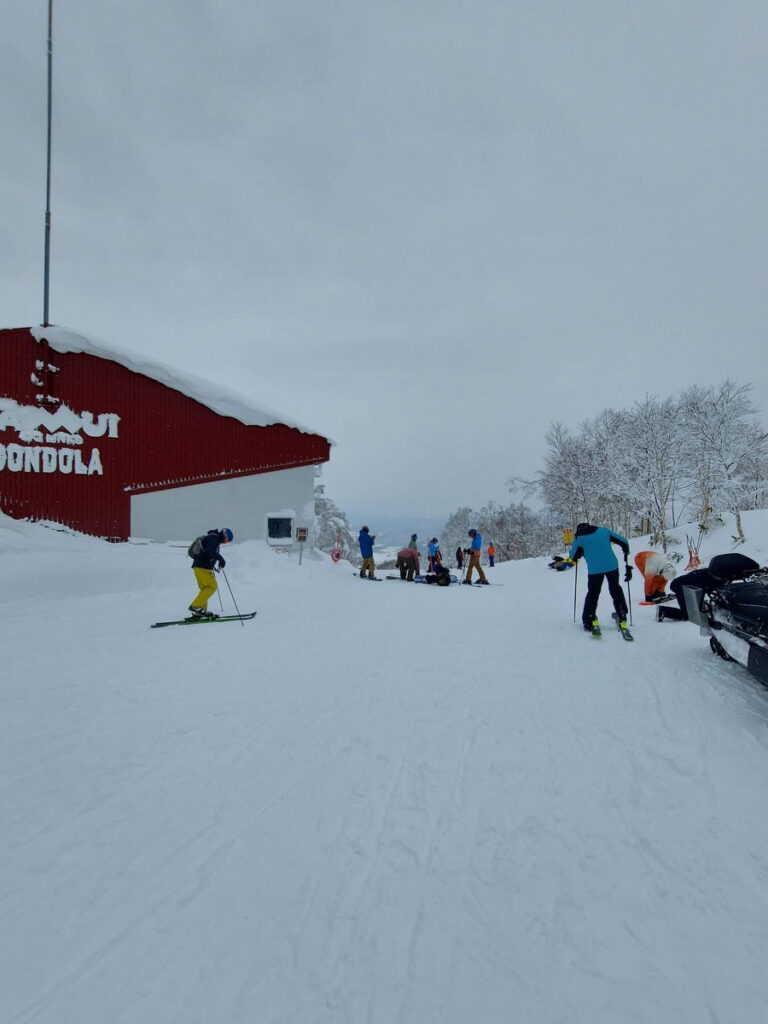
Kamui Ski Links, near Asahikawa, may be one of the best-designed ski areas in Japan. A gondola stretches over 2,000 meters to the summit, where you can drop into right, center, or left zones — each served by lifts returning you close to the top. Between the runs lie wide sidecountry zones, effectively turning the mountain’s entire western face into a natural playground.
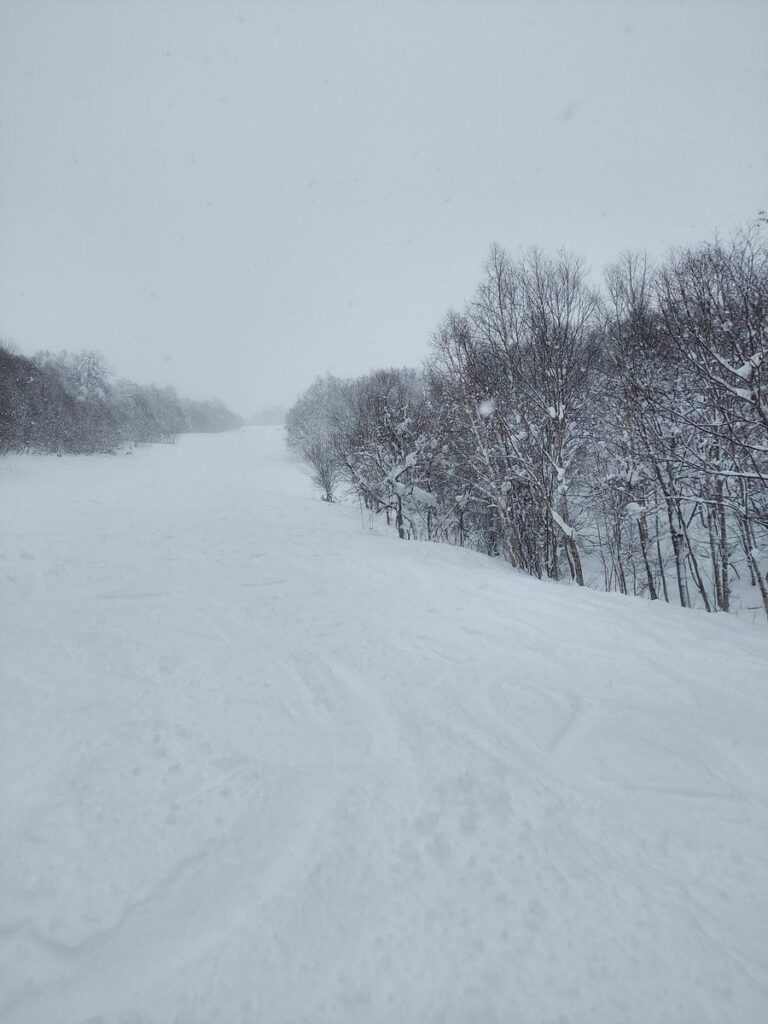
When I revisited Kamui on December 31, 2025, snowfall was light and the sidecountry closed — but even then, the groomed terrain delivered pure joy. The best surprise? The ungroomed sections beside the courses — soft, forgiving, and surprisingly smooth even without new snow. On telemark skis, which demand balance and rhythm, I could relax and flow naturally.
Snow quality: consistent from summit to base, thanks to Kamui’s icy-cold microclimate.
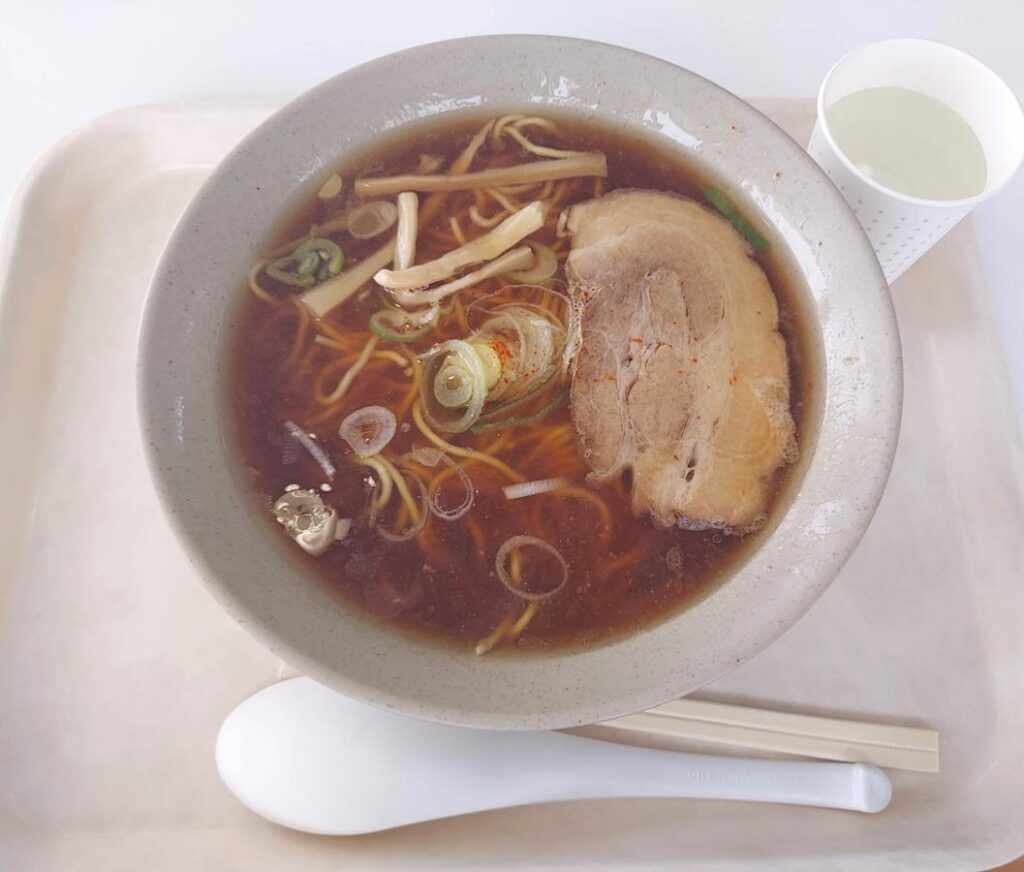
Lunch tip: try Ramen House NOBu at the base for authentic Asahikawa soy ramen — rich, hot, and unforgettable.
https://www.kamui-skilinks.com/
Canmore Ski Village – A Local Hill with Big Spirit
If you lived in Higashikawa Town, this would be your “home slope.” From Tōma, it’s about 20 minutes; from Biei, around 30. Small hills like this are perfect for warm-up runs, quick sessions, or casual night laps.
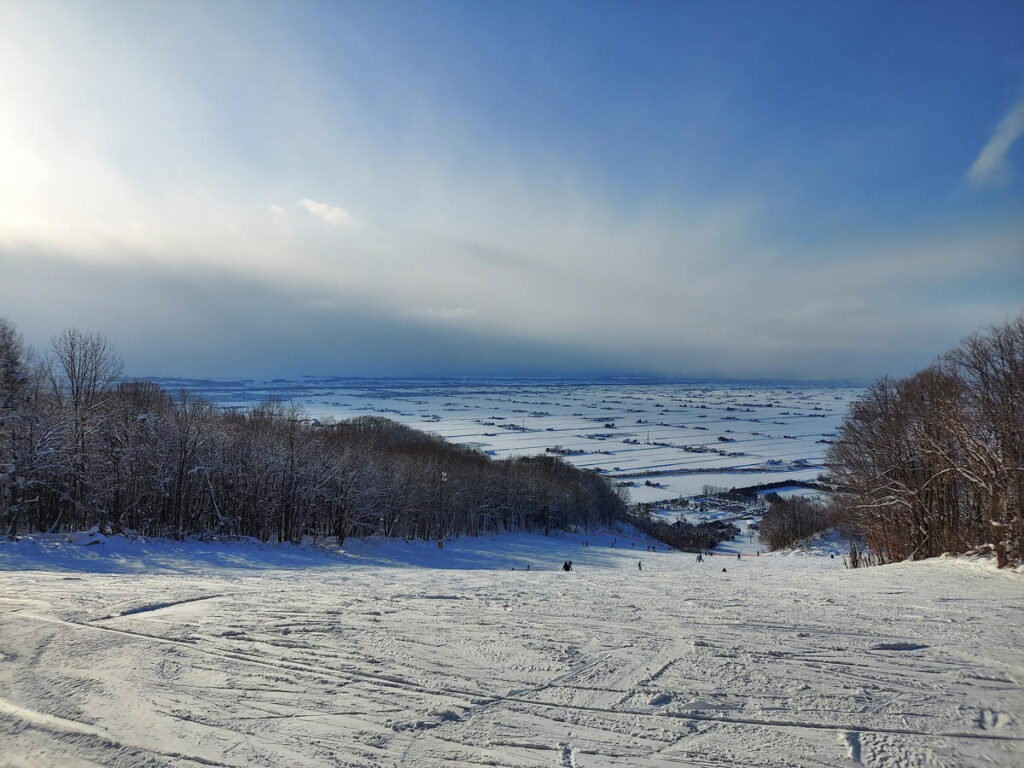
Canmore’s charm is its balance: one central quad lift and a gentle layout that splits left and right from the top. Few local resorts in Japan can boast a quad — a blessing on cold winter nights. On my visit (December 30), the snow was firm but responsive, with no ice at all. Side powder along the trails was delightfully soft, and carving turns gave that addictive
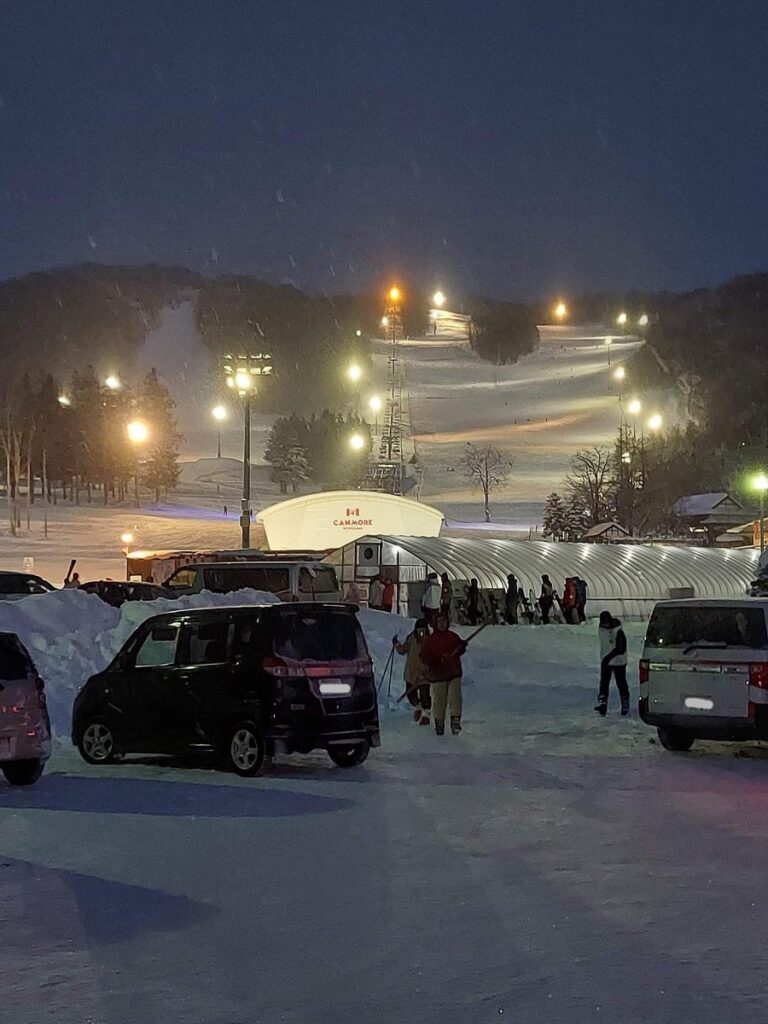
“I’ve just leveled up” feeling. Even lunch carried the warm, down-to-earth hospitality that Higashikawa is known for.
Horotachi Ski Area – Deep North, Deep Snow
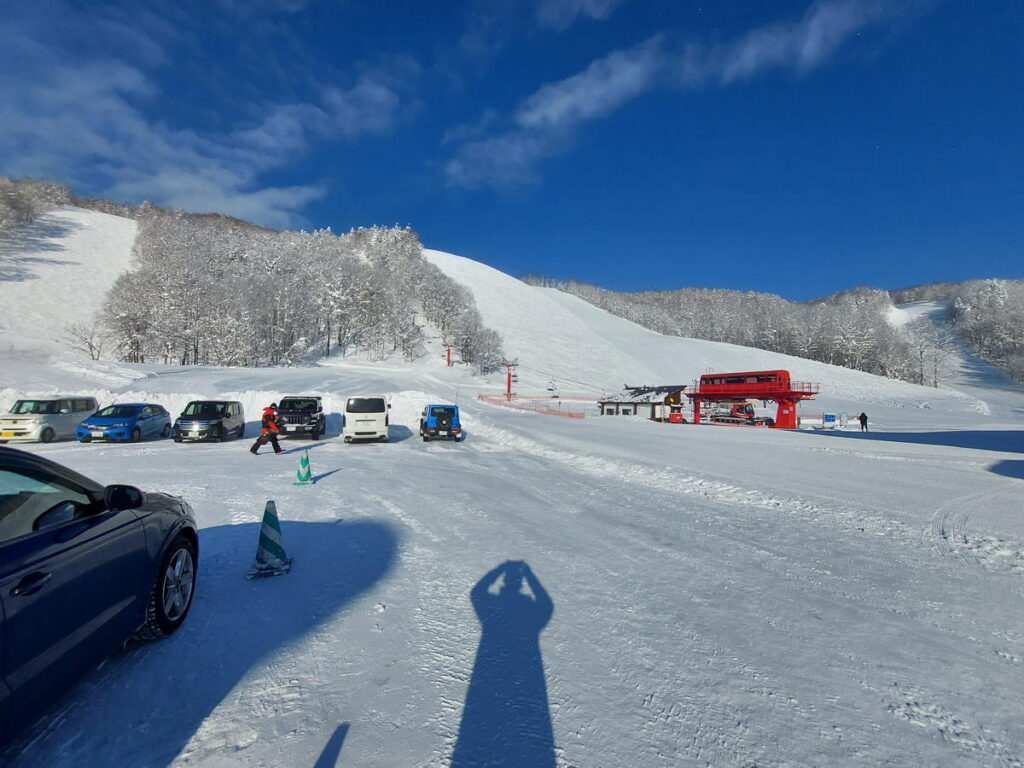
An hour north of Asahikawa lies Horotachi, a small national ski area in Horokanai Town, famous for record-breaking snowfall and bitter cold. When I visited on January 1, the air temperature was −18°C (0°F) and the snowpack already 1.5 meters deep — yet locals were smiling and training slalom on the steepest pitches.
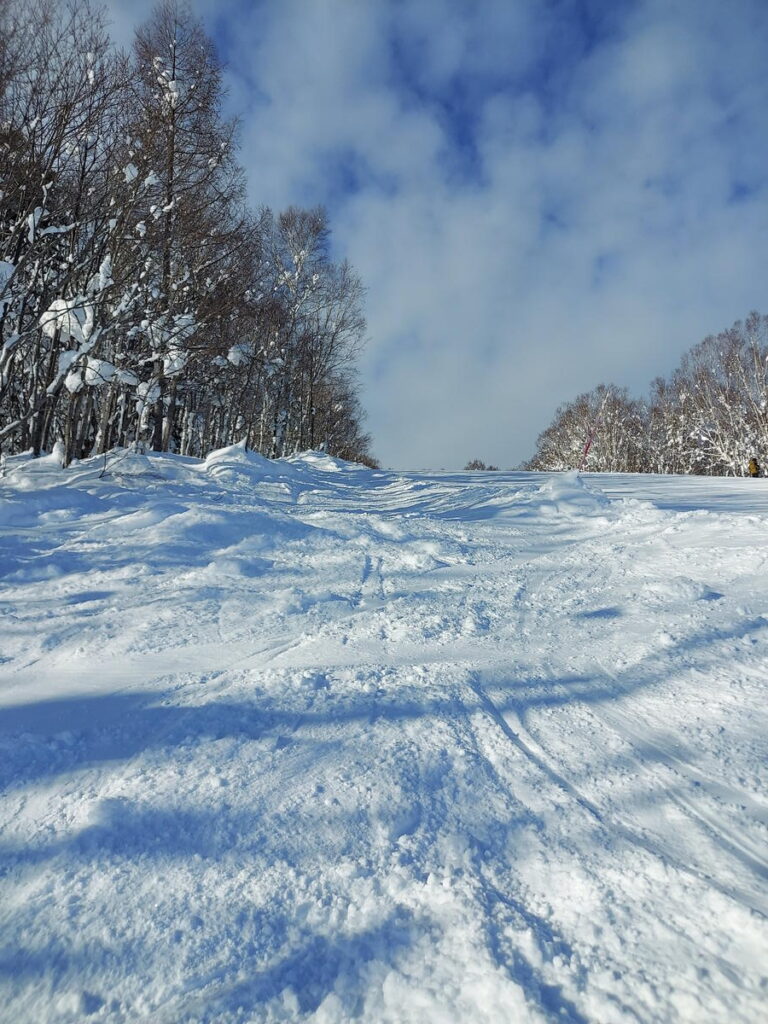
Horotachi’s single 600-meter lift serves a compact, beautifully quiet layout. Many runs remain partly ungroomed, keeping that raw, local feel alive. I’m still not skilled enough to telemark cleanly through 30° moguls, but even so, I finished the day fully satisfied. Here, just being able to ski feels like a gift.
https://www.horotachi-horokanai.com
Why the Powder Belt Feels So Different
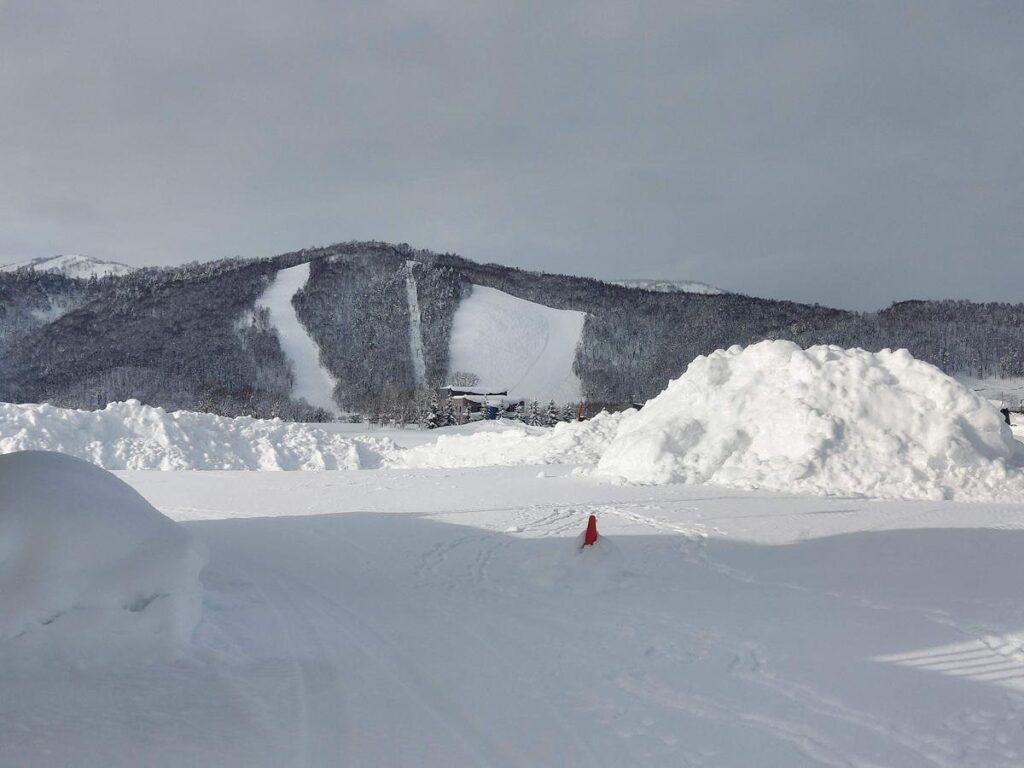
Compared to Niseko or the Sapporo suburbs, the Powder Belt stands apart:
– Looser rules: Off-piste and ungroomed zones often remain open.
– Lighter snow: Air-dry powder that clings to your jacket and floats like dust.
– Few crowds: More turns for you, less waiting.
– Affordable: Lift tickets, food, and lodging are reasonably priced.
The snow’s dryness means it doesn’t pack into icy bumps. You can float through untracked lines hours after the last grooming. Base yourself in Asahikawa, a compact city with great food and cozy bars. While there are fewer hot springs than in Niseko, the local culture — and the ramen — more than make up for it.
Niseko vs. the Powder Belt
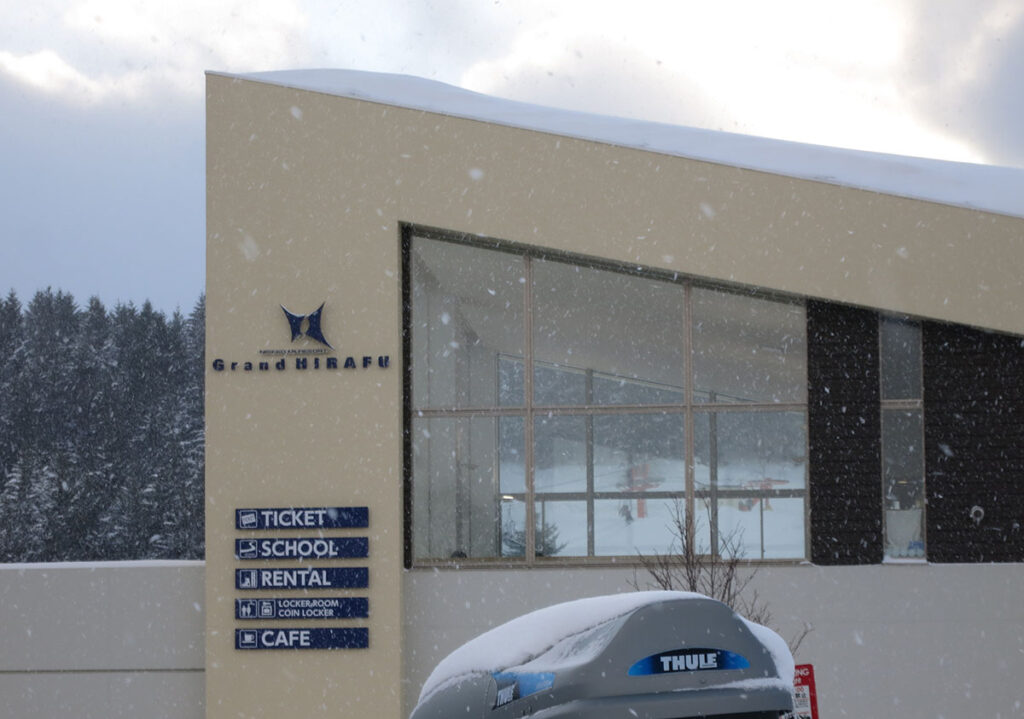
Niseko floats, the Powder Belt flows. They’re not rivals — just two expressions of Hokkaido’s winter magic.
Small Hills, Big Heart
The Powder Belt’s most famous trio — Furano, Tomamu, and Kamui — deserve their reputation. But for many locals, joy also lives in the smaller slopes where you can drop in after lunch or at sunset. For older skiers or anyone who values peace over crowds, these intimate hills — Kamui, Canmore, and Horotachi — deliver the essence of skiing: soft snow, friendly people, and pure freedom.
So the next time you think of Hokkaido, look beyond Niseko’s neon and discover the quiet, glowing belt that keeps Japan’s powder spirit alive.